When the Water Gets Small
Share
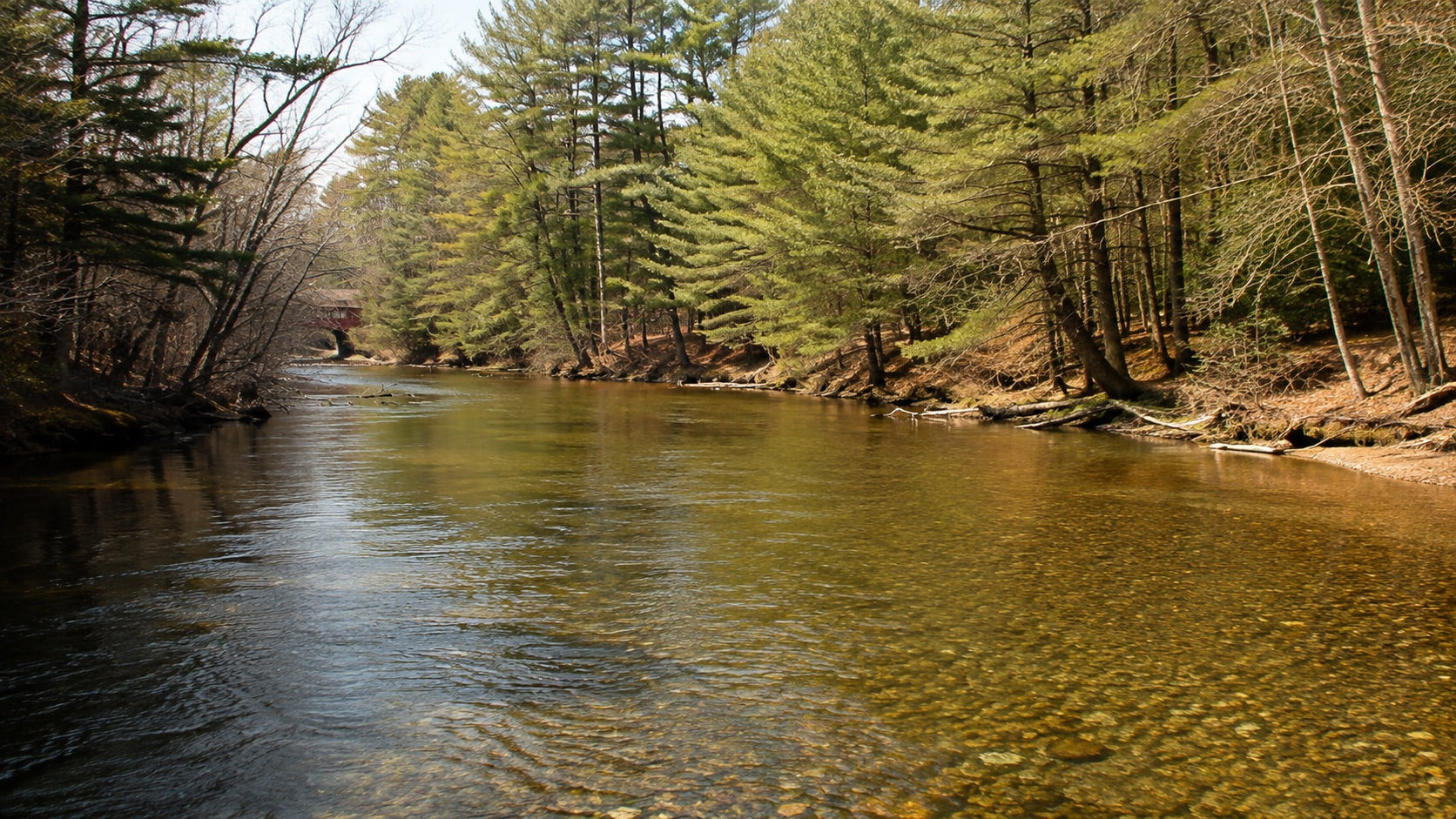
By late July the rivers we love have gone quiet. The spring push is a memory. The freestones drop and warm, the tailwaters run low and glass-clear, and you can read every seam from the bank without wetting a boot. This is when a lot of anglers hang the rod up for the season. It's also when the ones who stay out learn the most.
Small water asks for a different posture. When a river shrinks, it stops hiding its fish and starts hiding your mistakes in plain sight — the heavy footfall on the gravel, the line that lands like a dropped rope, the third false cast a wary brown didn't need to see. Clear, thin water is a lie detector. The fish are still there. They're just paying closer attention than you are.
So we slow down. Longer leaders, lighter tippet, fewer casts, and the discipline to watch a run for a full minute before we fish it. We move upstream on our knees when we have to. We fish the soft edges of riffles where the water still carries oxygen, the shade lines under the alders, the cold seep where a feeder trickles in a few degrees cooler than the main stem. In August the fish tell you where the cold water is; your job is to listen.
And we go small. Summer is terrestrial season — ants, beetles, a hopper twitched tight to the bank — and it's trico and midge time in the film, size 20 and down. A size 18 that drifts drag-free will out-fish a size 12 that drags every time. This is a season won on presentation, not on pattern. The right fly, fished wrong, still goes home hungry.
There's one more thing, and it matters more than any of the rest. Carry a thermometer. When the water climbs past 68°F, a hooked trout may not survive the fight and the release, no matter how carefully you handle it — warm water simply doesn't hold the oxygen a stressed fish needs to recover. On those afternoons the honest move is to fish the first cold hour after dawn and then reel up. Sometimes the best thing you can do for a river is to leave its fish alone until the evening cools it back down.
Fishing small water well is really just fishing attentively — reading more, casting less, asking the river for a little and being grateful for it. Do it for a summer and you'll come out the far side a better angler on every water you touch, big or small. That's the whole idea behind a home water: not the days it's generous, but the days it makes you earn it.